Stamped Concrete Denver is a beautiful option for outdoor spaces, but it requires regular care to preserve its appearance and durability. A few simple habits can keep your stamped concrete looking new for years to come.
Sweep regularly with a soft-bristle broom and rinse periodically with a garden hose to prevent dirt buildup. A pH-neutral cleaner works well for removing light grime without damaging the sealant.
Avoid De-Icing Salts
It is not uncommon for stamped concrete to suffer damage from the freezing and thawing cycles of winter. This can lead to spalling, which is when the surface breaks up into small pieces. If the damage is severe, it may require patching or resurfacing.
This is why it is best to avoid de-icing salts when possible. Even if your driveway is not icy, the corrosive chemicals could still damage your concrete. If you do need to use a de-icer, try to find one that is formulated for decorative and colored concrete. Chloride-based deicers amplify the damaging effects of freeze-thaw expansion on concrete.
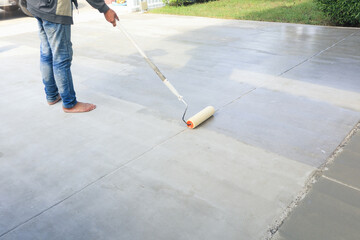
Another way to keep your concrete looking great is to periodically apply a sealant. This will prevent stains and protect the surface from damage. The sealant should be formulated for decorative and colored concrete to ensure that the pigments and dyes will not be damaged.
To properly apply a sealant, the concrete must be fully cured. This usually takes about 28 days. It is also important to follow the manufacturer’s instructions for application. If you do not follow the proper procedure, you will end up with a dull or flaky finish. To avoid this, consider using a curing and sealing product that can be applied much sooner than traditional sealers.
It is important to sweep up loose debris and dirt on a regular basis. This will help to prevent stains and keep the concrete looking new. Also, make sure to clean up spills as soon as they happen. This will keep the stains from being absorbed into the concrete and becoming permanent.
If you do need to shovel, use a plastic shovel and not a metal one. Metal shovels can scratch and chip the surface of the concrete. Also, it is best to keep the shoveling pressure light as to not damage the surface. If you do have stains, a light power washing or a scrub brush with a mild detergent should remove them. Be sure to rinse the concrete well after cleaning it. This will prevent the cleaner from being trapped under the surface of the concrete and possibly causing further damage.
Pull Weeds Quickly
When weeds are allowed to grow on the concrete, they can damage it. They can also be difficult to remove once they become established, and removing them as soon as they appear will prevent them from becoming a major problem in the future.
If you are going to use chemicals, such as herbicides, on your stamped concrete, make sure that they are designed for outdoor use and will not harm the surface when used according to the instructions. Also, remember to always spray from a distance of at least 6 inches and never spray over plants or flowers.
The best way to avoid weeds is through proper site preparation before concrete is poured. Clear the area thoroughly, removing all existing weeds and roots. Then, roll out a landscape fabric that allows water and nutrients to pass through but blocks weed growth. This will eliminate many weeds before they have a chance to take root.
Regularly sweep the concrete to remove any leaves, twigs, or litter. Keeping the concrete clean can also help prevent weeds from growing, especially if you regularly apply an alkaline degreaser, like those found in most home stores, to break down grease and oil on the concrete.
Weeds can often grow between the cracks of concrete, so it is important to remove them as soon as they are noticed. This is usually easier in the spring, when they are still shallow and haven’t fully sprouted. A garden knife, a weeding tool, or a specialized dandelion weeder can be used to sever the roots of weeds and pull them out.
A weed barrier, such as one made of landscape fabric, can be laid underneath the concrete to stop weeds from growing in between the cracks. This can save time and money, as well as preventing weeds from getting into your yard.
Restoring faded stamped concrete is a fairly easy process and will greatly improve the look of your patio, walkway, driveway, or pool deck. Regular maintenance, such as avoiding de-icing salts and removing weeds quickly, will help your concrete last longer and maintain its beauty.
Don’t Let Unnecessary Materials Pile Up
If you have a stamped concrete driveway or patio that leads up to your garage or home, it is important not to allow de-icing salts or other corrosive chemicals to pile up on the surface. This could cause flaking or peeling of the surface and may require more extensive repairs. This is also true for other items that might be tracked onto the surface, such as dirt or gravel. If you have a lot of traffic in your area, it is best to park cars away from the concrete if possible or to use a de-icing product that is gentle on the surface.
It is a good idea to sweep regularly to remove dry debris before it has a chance to settle into the pores of the concrete. This prevents the buildup of stains and helps to maintain your surface’s appearance. It is also a good idea to clean the concrete using a gentle cleaning solution. A pH-neutral cleaner mixed with warm water helps to break down grime without damaging the sealer or etching the concrete.
Oil and grease can soak into the concrete and leave dark stains that are difficult to remove. This is especially true if it is left to sit for long periods of time. If you notice a stain that is particularly stubborn, try using an alkaline degreaser to help break it down.
Stamped concrete offers a number of benefits that make it a popular choice for homeowners and business owners. It is an affordable alternative to other materials and it is very durable. It can also be customized with a wide variety of patterns and color options. Some people find that they can even match the color of their stamped concrete with other stone, tile or textured concrete elements in their yard or home.
The durability of stamped concrete makes it a good choice for outdoor applications where it will be exposed to the elements, weather and vehicle or foot traffic. With proper care and maintenance, your stamped concrete will look beautiful for years to come. However, like any material, it can be damaged if not properly cared for. If you do see signs of damage, it is important to take the steps necessary to repair or replace it as soon as possible to avoid further damage and prolong its life.
Clean Up Spills Quickly
Stamped concrete is an extremely durable material. However, like all building materials, it needs to be cleaned and preserved regularly to ensure that its technical performance is kept intact. If left unprotected, stamped concrete can lose its luster and develop ugly stains.
The easiest way to protect your stamped concrete is to clean up spills immediately. This prevents stains and allows you to quickly remove them with a cleaning product before they have a chance to set in. This is especially important when it comes to stains that are caused by grease or oil. You can remove these stains with an alkaline degreaser that is specifically designed for use on concrete. Just make sure to follow the manufacturer’s instructions when using this product.
If you have a large area to clean, it may be helpful to invest in an industrial-sized dust mop or push broom. This will allow you to cover a lot of ground in a short amount of time and keep the surface as clean as possible. It’s also important to sweep frequently, especially following a rainstorm or after hosing off the concrete. This will help to keep stains from forming and dirt from getting trapped in the grooves of the concrete.
It’s also essential to avoid placing permanent items on your stamped concrete, if possible. If you must, make sure that the objects are elevated at least 1/4-inch to allow air flow and minimize humidity build up. Continual exposure to moisture can destroy the sealer on your stamped concrete and cause ugly white stains that are impossible to remove.
Finally, you’ll want to re-seal your stamped concrete every two to three years. This will keep it looking its best and protected from fading, weathering, and other natural elements. If you’re unsure of which type of sealer to use, speak with your contractor about what products they would recommend.
Keeping your stamped concrete looking new requires a little bit of effort, but the reward is an beautiful outdoor space that you can enjoy for years to come. By following these simple tips, you can get the most out of your stamped concrete and keep it looking its best for as long as possible.